

When people think about cyber security, they often focus on technology. Firewalls, endpoint protection, email security platforms and monitoring tools all play an important role in protecting organisations from cyber threats. However, despite continued investment in security technologies, many cyber incidents still begin with a human action.
So what if your biggest cyber security risk isn’t your technology at all?
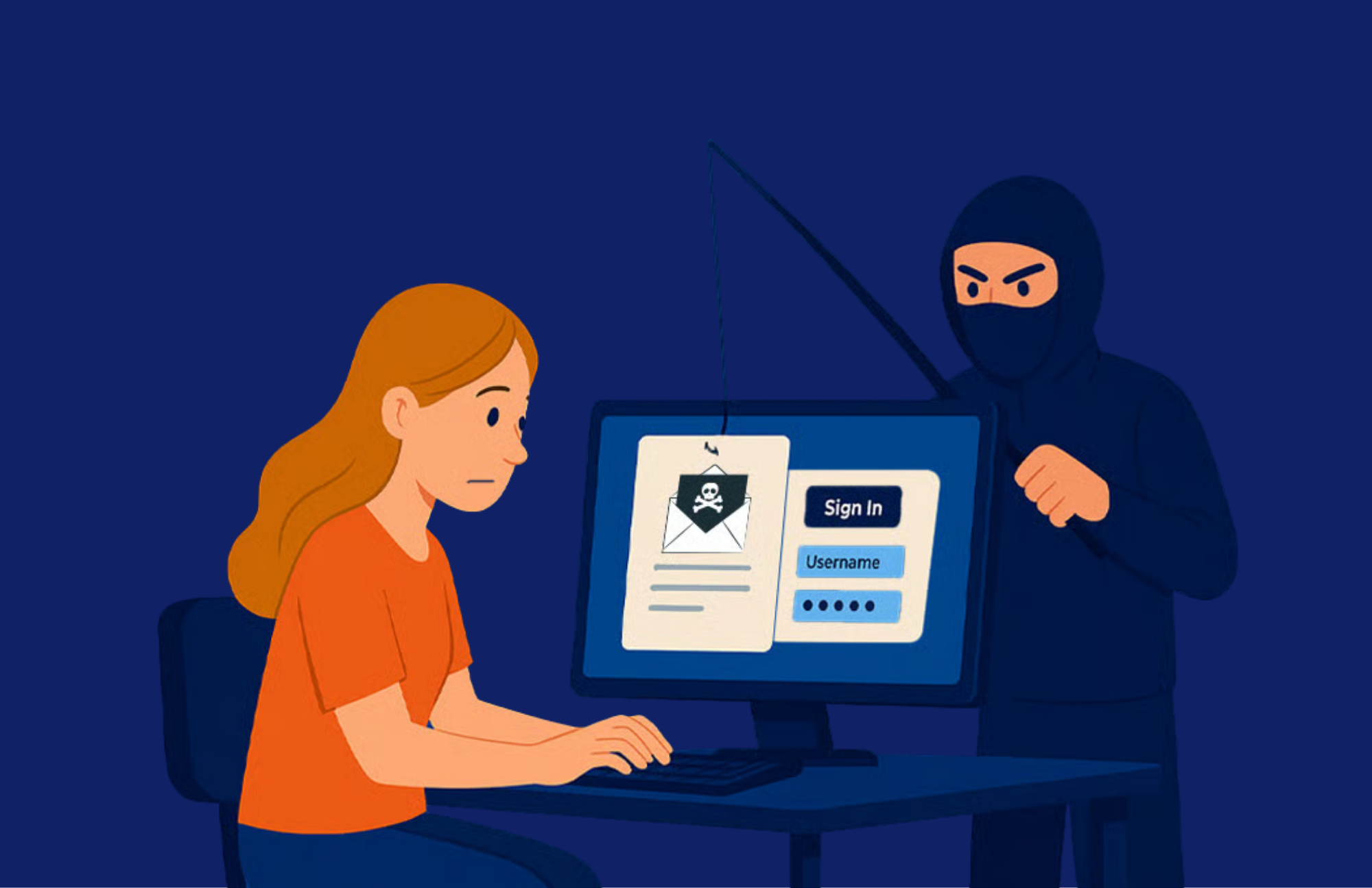
Cyber criminals understand that people can often be easier to exploit than systems. Rather than attempting to bypass multiple layers of security, they frequently rely on social engineering techniques designed to exploit trust, curiosity, distraction or urgency.
Whether it’s a convincing phishing email, a fraudulent payment request or an unexpected request that appears genuine, attackers know that one well-timed action can sometimes achieve more than a sophisticated technical attack.
Why Attackers Target People
Many organisations assume that cyber criminals spend most of their time searching for vulnerabilities in systems and software. While technical attacks certainly exist, social engineering remains one of the most effective methods of gaining access to systems and data.
That’s because people are naturally inclined to help others, respond quickly to requests and trust familiar brands, suppliers and colleagues. Attackers understand this and deliberately design scams to appear legitimate. The goal is often not to break through security controls, but to persuade someone to unknowingly bypass them.
This doesn’t just apply to phishing emails. Fraudulent payment requests, impersonation attempts, fake invoices and even the misuse of AI-generated content all rely on influencing human behaviour. Technology can provide safeguards, but it cannot completely eliminate the need for good judgement.
Building a Security Culture
Strong cyber security isn’t just about having the right tools in place. It also depends on creating a culture where employees feel confident questioning unexpected requests, reporting suspicious activity and taking a moment to verify before acting.
The most resilient organisations recognise that cyber security is a shared responsibility. When awareness becomes part of everyday decision-making, businesses are far better positioned to identify and respond to potential threats.
The Human Side We Often Overlook
There is another side to cyber security that is often overlooked: the people responsible for defending organisations against attacks.
Behind every alert, investigation and incident response is a team making important decisions under pressure. As cyber threats continue to evolve and the industry faces ongoing skills shortages, many security professionals are being asked to do more with fewer resources.
Supporting these teams with the right tools, processes and resources is just as important as investing in technology.
Cyber Security Starts with People
Technology will always play a vital role in cyber security, but lasting resilience comes from informed people making good decisions every day.
This Cybersecurity Awareness Month, take a moment to consider the role people play in protecting your organisation. After all, cyber criminals aren’t always looking for the most advanced target. They’re looking for the easiest opportunity.
Looking to strengthen cyber awareness across your organisation?
TMB’s Security Awareness Training services help employees recognise threats, develop safer online habits and build confidence when responding to potential cyber risks. Get in touch to learn how we can help turn cyber awareness into a genuine security advantage.
- +44(0) 1202 818888
- info@tmbsystemsgroup.com
- www.tmbsystemsgroup.com