



Artificial intelligence is quickly becoming part of everyday business operations. Employees are using AI tools to draft documents, summarise information, analyse data and automate routine tasks. In many cases, these tools are helping teams work more efficiently and complete tasks faster. However, not all AI use happens through approved business systems.
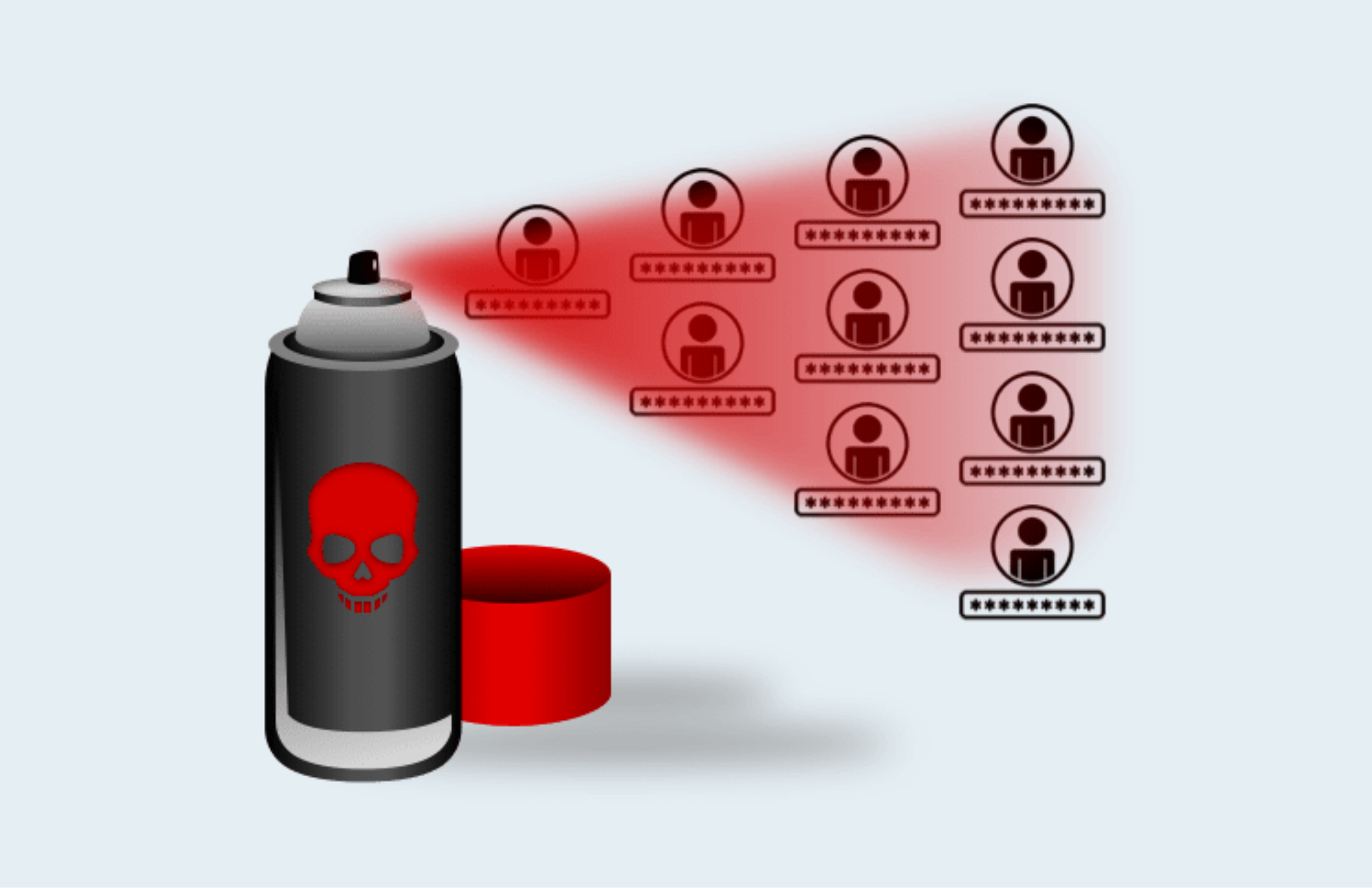
Many organisations are now facing the challenge of Shadow AI.
What Is Shadow AI?
Shadow AI refers to the use of artificial intelligence tools that have not been approved or governed by an organisation.
This could include employees using public AI platforms to:
- Draft reports or emails
- Summarise meetings or documents
- Analyse spreadsheets and business data
- Create marketing content
- Generate code
- Automate manual tasks
The goal is usually productivity rather than policy avoidance. Employees are often looking for faster ways to complete their work and may not realise there are risks associated with the tools they are using.
The challenge for organisations is that they may have little visibility into which AI tools are being used, what information is being shared and how AI-generated outputs are influencing business activities.
Why Is Shadow AI Becoming More Common?
The growth of Shadow AI is largely driven by accessibility. Many AI tools are freely available, easy to use and capable of delivering immediate results. Unlike traditional business software, users can often start using these platforms within minutes without support from IT teams.
At the same time, organisations are under pressure to improve productivity and operational efficiency. Employees can see clear advantages in using AI to reduce repetitive work, speed up research and help with content creation.
In some cases, Shadow AI develops because organisations have not yet implemented approved AI solutions or provided clear guidance on acceptable use. When employees do not have access to approved tools, they may find their own alternatives.
The Risks Organisations Need to Consider
AI can provide significant benefits, but it also introduces risks when used without appropriate oversight.
Data Security and Confidentiality
One of the biggest concerns is the potential exposure of sensitive information.
Employees may upload data to an external AI platform without fully understanding how that information will be stored, processed or retained.
This could include:
- Customer information
- Financial data
- Internal documents
- Commercially sensitive information
- Employee records
If organisations do not know which tools are being used, they may have limited control over where data is being shared.
Compliance Challenges
Many organisations operate within strict regulatory frameworks and must demonstrate how data is handled and protected.
Unapproved AI usage can make it more difficult to:
- Maintain audit trails
- Demonstrate data control
- Meet compliance requirements
- Govern information effectively
Without clear oversight, organisations may struggle to confirm that AI tools are being used in accordance with internal policies and external regulations.
Accuracy and Reliability
AI-generated content can appear authoritative even when it contains inaccuracies.
If outputs are accepted without review, organisations may face issues such as:
- Incorrect information being shared internally or externally
- Poor business decisions based on incomplete data
- Errors in reports, analysis or communications
AI can be a useful support tool, but it should not replace professional judgement or appropriate review processes.
Lack of Visibility
Many organisations simply do not know how widely AI is being used across different teams.
Without visibility, it becomes difficult to:
- Understand the level of risk
- Identify data protection concerns
- Establish consistent policies
- Provide appropriate guidance and training
This lack of oversight is often what makes Shadow AI a governance issue rather than a technology issue.
Managing Shadow AI Without Restricting Innovation
The answer is not to prohibit the use of AI altogether.
Most organisations recognise that AI has the potential to deliver genuine productivity and efficiency benefits. The challenge is creating an environment where those benefits can be achieved safely.
A practical approach typically includes:
Providing Approved AI Tools
If employees need AI capabilities, providing approved solutions reduces the likelihood of users turning to unapproved alternatives.
Approved tools should align with organisational security, compliance and data protection requirements.
Establishing Clear Policies
Employees should understand:
- Which AI tools are approved
- What information can be shared
- When AI-generated content requires review
- Where responsibility remains with the user
Clear and practical guidance helps reduce uncertainty and encourages responsible use.
Improving AI Awareness
Training plays an important role in helping employees understand both the benefits and limitations of AI.
This includes:
- Data protection responsibilities
- The risks of sharing sensitive information
- How to review AI-generated outputs
- Appropriate use cases for AI tools
Maintaining Visibility
Organisations need an understanding of how AI is being used across the business.
Regular reviews, monitoring and open conversations with teams can help identify risks early and support more effective governance.
Finding the Right Balance
AI is already becoming part of everyday business operations, and employee adoption is likely to continue growing.
For most organisations, the challenge is not whether AI should be used, but how it can be used responsibly.
By providing approved tools, clear guidance and appropriate governance, organisations can support innovation while maintaining control over security, compliance and data management.
The businesses that approach AI in this way are likely to see the greatest long-term benefit, gaining the productivity advantages of AI without creating unnecessary risk.